Loading
Related Articles


20 Apr 2026
How LMP Can Help Your Brokerage Grow
Related Articles
20 Apr 2026
How LMP Can Help Your Brokerage Grow

TrustFinance Research Team
Sep 15, 2025
6 min read
352

Clients don’t just compare features—they verify who you are. A Verified Profile on a finance-specific platform proves identity, licenses, and service coverage in one place, making it easier for prospects to trust you and convert. This article explains why verification matters in today’s market, what a verified profile includes, and how to turn verification into measurable growth. For the broader strategy, see the pillar How TrustFinance Helps Financial Companies Build Credibility and Drive Growth.
High-risk headlines have made buyers cautious. Without visible, third-party proof—licenses, jurisdictions, official contacts—qualified prospects bounce, support teams field extra validation questions, and paid traffic underperforms. That’s why finance-specific verification is now a competitive moat, not just a compliance checkbox.
For market context, read Why ORM is Essential for Financial Companies in 2025.
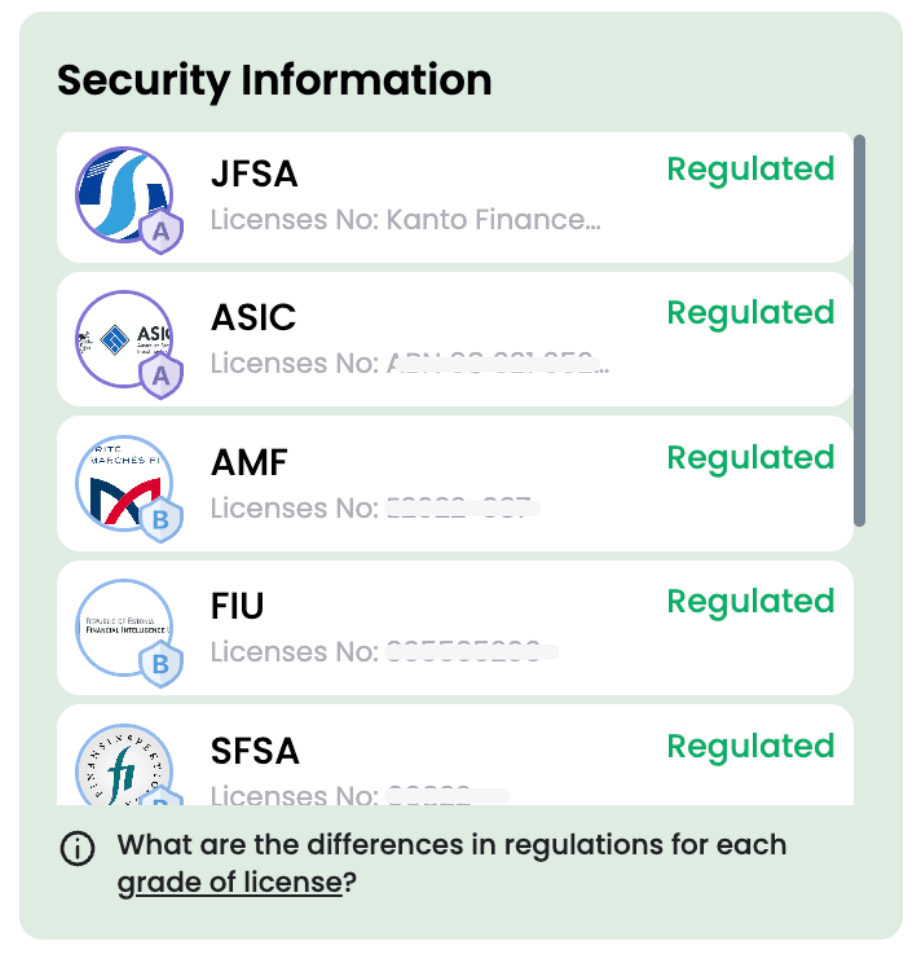
A proper Verified Profile for a financial company should bundle identity, regulation, and reach into a single, trusted destination:
Need step-by-step instructions? Go to How to Verify Your Business on TrustFinance.
For the macro view on platforms, see Trustpilot vs WikiFX vs TrustFinance: Which Review Platform is Best for Brokers?. For outcomes, read Case Study – How Broker X Improved TrustScore and Attracted Clients.
For execution fundamentals, revisit the pillar How TrustFinance Helps Financial Companies Build Credibility and Drive Growth.
How is a Verified Profile different from a normal listing?
A Verified Profile validates identity and regulatory status (plus offices, service areas, and contacts) and is backed by transparent review governance—so buyers can trust what they see.
Do we need perfect reviews to benefit from verification?
No. Buyers value authenticity and patterns. Consistent, detailed reviews and timely responses—on top of verification—create a stable TrustScore and better conversions.
Does verification slow down go-to-market?
Submitting accurate documents speeds approval. Most teams see faster sales cycles because verification removes repeated diligence questions.
We operate in multiple countries—how should we display that?
Publish jurisdictions and eligible products in your profile, and link to public registers where possible. It sets clear expectations and improves lead quality.
Claim and verify your TrustFinance profile to publish licenses, consolidate identity, collect unlimited authentic reviews, embed trust badges/widgets, and track impact with analytics built for regulated markets. For the how-to, follow How to Verify Your Business on TrustFinance.
TrustFinance Research Team
Official TrustFinance research and editorial team, sharing insights, analysis, and best practices to help financial companies and traders build transparency, credibility, and growth.