Loading
The Evolution of Payment Gateways: What’s Next in 2026

TrustFinance Research Team
Oct 20, 2025
7 min read
366

Payment gateways are becoming invisible infrastructure. In 2026 the job is not just to move money. It is to move money instantly, safely, and in full compliance across different rails and regions. Real-time payment systems are going live, regulators are raising the bar on fraud liability, and AI is stepping in to score risk in milliseconds. The winners will be the providers that raise approval rates, lower fraud losses, and make settlement immediate and effortless.
📖 Related reading: Top Financial Industry Trends to Watch in 2026
Market reality for 2026
Demand is shifting to mobile and one-click flows. Digital wallets are on track to dominate online checkout, while in-app payments keep rising. Hosted gateway models still lead with fast merchant onboarding and simpler PCI scope. Verticals with heavy compliance needs, such as healthcare and financial services, are growing quickly and expect built-in controls from their providers. If your stack cannot authenticate, screen, and reconcile in real time, you will lose conversions and raise losses.
Instant payments become the default
Real-time rails are no longer pilots. In the United States, FedNow adoption and volume ramped fast through 2024–2025, with thousands of institutions signing on and new use cases beyond P2P. Off-cycle payroll, escrow payouts, and marketplace disbursements are moving to instant rails, with higher transaction limits supporting commercial flows (FedNow growth overview).
Canada is next. The Real-Time Rail (RTR) arrives in 2026 and will clear irrevocable, data-rich payments in seconds, 24/7. It is designed as the backbone for open banking services and modern merchant experiences (RTR explainer).
Europe has already set a firm direction. The Instant Payments Regulation requires SEPA payment service providers to both send and receive instant transfers. Put simply, instant is becoming table stakes.
What this means for gateways
- You need RTP connectivity and smart routing that chooses the right rail for each transaction.
- Irrevocable payments change risk. You must screen before authorization, not after.
- Merchant cash-flow improves, so settlement and reconciliation dashboards must keep up.
PSD3 and PSR raise the bar on liability and UX
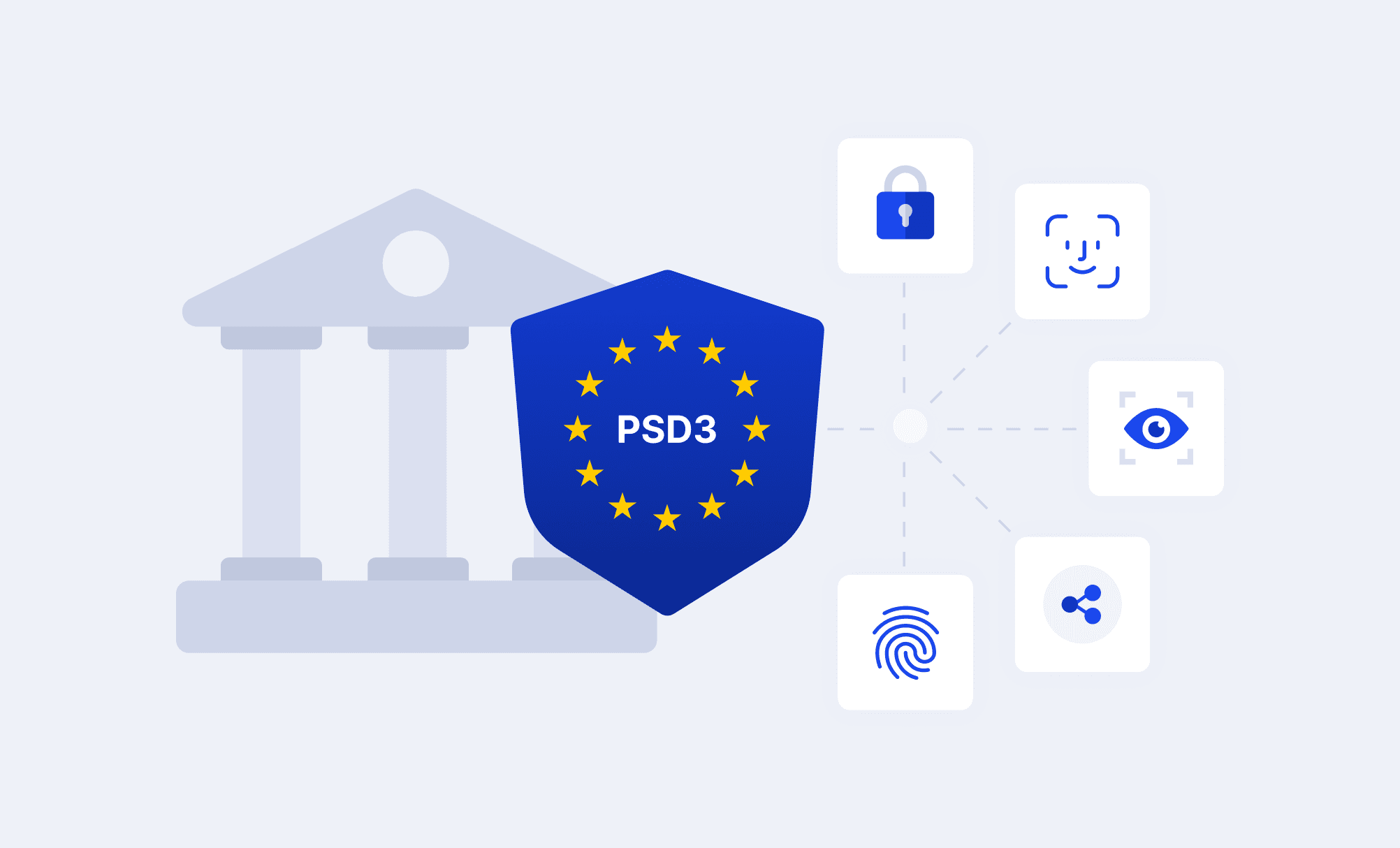
The European package of PSD3 and the Payment Services Regulation (PSR) sharpens consumer protection and fraud rules. Two parts matter most for gateway strategy:
- Verification of Payee (VoP): before sending, the name must match the account. This tackles authorized push-payment scams and misdirected transfers.
- Liability shift: providers face more responsibility for proving fraud or gross negligence and must refund victims faster. UX should improve as SCA frictions are streamlined.
If you process European flows, you need plan-level changes to onboarding, name-checking, fraud models, and audit trails. A good overview is here: PSD3 readiness from LexisNexis Risk Solutions (PSD3 primer).
What this means for gateways
- Build VoP into payment flows and APIs.
- Prove decisions with explainable models and complete event logs.
- Share more data with banks and schemes to detect scams earlier.
Real-time compliance needs real-time RegTech
Instant rails remove the manual review window. That raises exposure. To keep losses down without killing approval rates, screening must run in milliseconds. This is where RegTech becomes the backbone: API-driven KYC, sanctions screening, device and behavior signals, and continuous AML monitoring. For a clear view of why real-time rails force the shift, see ComplyAdvantage’s guidance on RegTech for instant payments (real-time RegTech).
Playbook
- Use layered models: rules for hard stops, supervised ML for known fraud, and anomaly detection for new patterns.
- Score at the edge with device risk, velocity, and graph relationships.
- Feed results back into routing so risky transactions move to stronger authentication or alternative rails.
Crypto and stablecoins move behind the scenes
Crypto at checkout is still niche, but stablecoins are becoming useful behind the scenes for cross-border settlement and liquidity. Gateways can lower FX friction and speed payout cycles by using regulated stablecoin rails where policy allows, while keeping a familiar card or bank transfer front end. The practical path is orchestration: choose the cheapest, fastest corridor for any payout, then auto-convert to the currency a merchant needs.
What to build
- Clear rules for where stablecoins are allowed and how reserves are verified.
- Seamless treasury controls: auto-convert, track basis, and reconcile with bank statements.
- Simple developer docs that hide the complexity from merchants and platforms.
AI makes payments feel effortless and safer
AI now touches every step of the flow. It routes transactions to the rail with the best approval odds, sets adaptive SCA, and flags anomalies before authorization. It also cleans up the back office by spotting reconciliation breaks and predicting disputes. The goal is simple: more good approvals, fewer false declines, and fewer losses.
Operational tips
- Train models with your decline codes and issuer feedback to boost approvals.
- Use explainable features so risk decisions stand up to audits.
- Monitor drift and retrain frequently, especially after new scheme rules or rail launches.
For a quick industry view of why AI is central to payments in 2026, see Blend360’s overview of AI in payments strategy (AI in payments).
What merchants should expect from their gateway
- Instant where it counts: faster payouts, real-time status, and simpler reconciliation.
- Fewer declines: smarter routing to the right rail or issuer.
- Less friction: SCA that adapts, not blocks.
- Clear security: visible controls like 3DS, device binding, and verified business profiles.
How providers can win in 2026
- Treat compliance as a feature. Publish VoP support, SCA flows, and fraud refund policies in plain English.
- Invest in the API layer. One endpoint for cards, account-to-account, RTP, and stablecoin settlement, with clear fallbacks.
- Measure what matters. Report authorization rate, fraud rate, chargeback rate, and days-to-cash by rail and region.
- Specialize by vertical. Build templates for healthcare, marketplaces, and subscription billing with tailored risk and compliance.
Payment providers listed on TrustFinance can add verified business profiles, trust badges, and up-to-date license information to reassure merchants, partners, and integrators.
Outlook for fintech payments 2026
Instant settlement becomes normal. Fraud and refund liability move closer to the provider. AI and RegTech sit in the middle, keeping risk low without hurting approval rates. Stablecoins help behind the scenes where they cut real costs. The gateways that feel invisible will be the ones doing the hardest work underneath.
Written by
TrustFinance Research Team
Official TrustFinance research and editorial team, sharing insights, analysis, and best practices to help financial companies and traders build transparency, credibility, and growth.


