Loading
Related Articles


10 Sep 2026
What is Forex Leverage? How risky is it?
Related Articles
10 Sep 2026
What is Forex Leverage? How risky is it?

TrustFinance
Nov 18, 2025
8 min read
592

Choosing a Forex broker can feel overwhelming, especially when every company promises tight spreads, low commissions, and advanced platforms. But real traders know that the best broker isn’t the one with the flashiest marketing; it’s the one that proves it can be trusted.
Comparing brokers the right way helps you avoid scams, minimize costs, and find a platform that supports your trading goals.
This guide walks you through a step-by-step approach to comparing Forex brokers using verified information, clear data, and client feedback from reliable sources like TrustFinance.
The Forex market is one of the largest and most accessible financial markets in the world, attracting millions of traders every year. Unfortunately, its popularity also attracts unregulated and misleading companies that exploit beginners.
A good comparison process protects you from these risks. It ensures your broker operates legally, treats clients fairly, and handles funds securely.
The goal isn’t to find the “perfect” broker, but to find the right fit for your trading style that combines transparency, reliability, and client trust.
TrustFinance makes this easier by centralizing verified broker profiles, license details, and real user feedback — all in one place.
The first step when comparing brokers is to confirm that they’re properly regulated. A broker’s license is your best protection against fraud or mismanagement.
Regulated brokers must follow rules on client fund segregation, fair pricing, and transparent reporting. They’re monitored by government or financial authorities that can impose penalties or revoke licenses if a company violates investor protection laws. Common global regulators include:
Unlicensed brokers may try to copy license numbers from legitimate firms, so always verify directly with the regulator.
Tip: On TrustFinance, each broker’s profile shows verified regulation details, making it easier to confirm legitimacy before you invest.
Even regulated brokers differ in pricing. When comparing fees, you need to understand both visible and hidden costs.
Fast, reliable execution ensures your trades open and close at expected prices, especially in volatile markets. A broker’s execution model — such as ECN, STP, or Market Maker — can influence slippage and trading costs.
On TrustFinance, traders rate how fairly and transparently brokers execute orders. Reading these reviews helps identify brokers with consistent pricing and low latency.
Example: A broker offering 0.0-pip spreads but slow execution might cost you more than one with 1.0-pip spreads and better order fills.
Comparing brokers isn’t just about technical data. The real insight comes from trader experiences. Verified reviews highlight what happens after you open an account — how fast withdrawals are processed, whether customer support responds, and how the broker handles market volatility.
You can find verified broker feedback directly on TrustFinance. Unlike random comments on forums or social media, every review on TrustFinance goes through a verification process to reduce spam and fake feedback.
A strong TrustScore backed by verified user feedback reflects the broker’s overall reliability.
Companies that engage actively and respond to client reviews show accountability — a core sign of trustworthiness.
Before committing significant capital, always test a broker’s trading platform and customer service.
A demo lets you explore features, test execution speed, and understand spreads without risk. Check:
Contact support during your trial. Ask basic questions about deposits, withdrawal limits, or account types.
The speed and clarity of the response often reflect how the company treats real clients.
Modern traders need stability and flexibility. Make sure the broker’s platform runs smoothly on both desktop and mobile.
Poor app performance can affect execution, especially for active day traders.
Tip: Many traders mention platform quality in their TrustFinance reviews. Reading those experiences can help you spot potential issues before you sign up.
To stay organized, use a checklist to compare your shortlisted brokers side by side.
Here’s a simple example you can adapt or expand:
A checklist ensures you make objective decisions based on facts, not marketing promises.
Comparing Forex brokers is not about finding the cheapest option. It’s about verifying the safest and most transparent one.
Always confirm that the broker holds valid licenses, read verified reviews, and test its services before funding your account. Verification helps you protect your capital and ensures you’re dealing with a broker that values transparency as much as you do.
If you ever feel uncertain, check the broker’s TrustFinance profile to confirm its TrustScore, regulation status, and client sentiment.
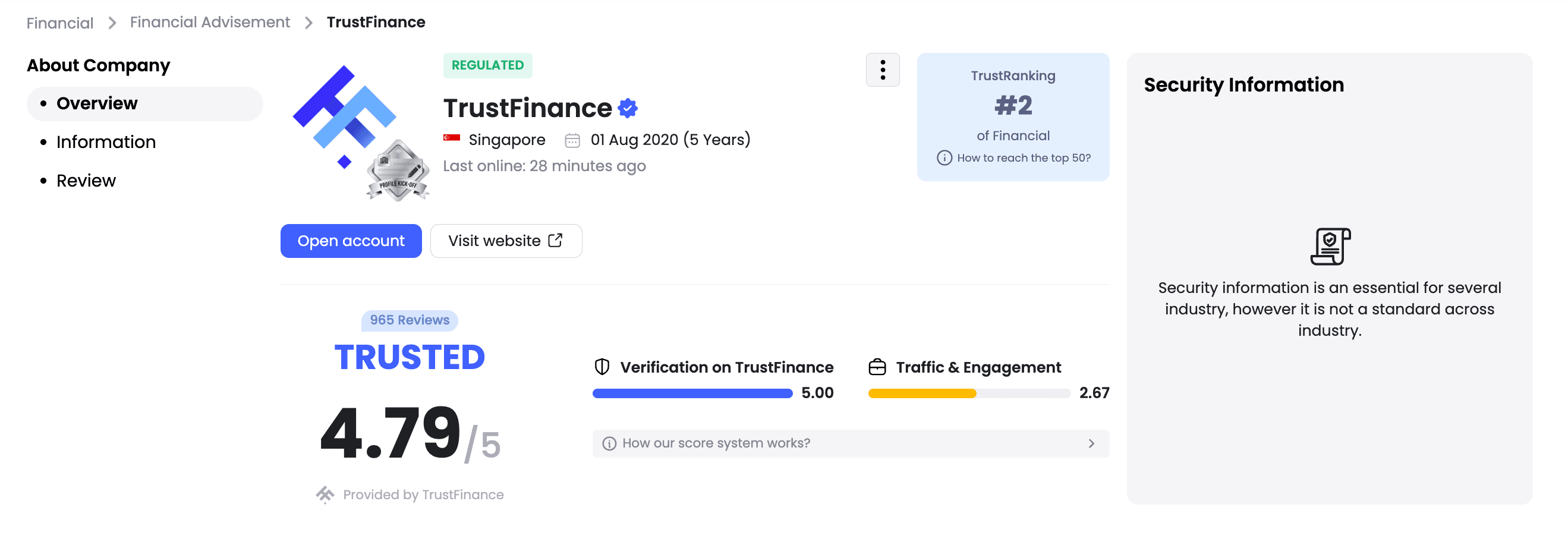
For financial companies that want to understand how trust and verified transparency influence client growth, read our main feature: Financial Reputation Management: How to Build Trust and Win Clients in 2026
Finding the right Forex broker requires research, comparison, and verification. By checking licenses, comparing fees, reading verified reviews, and testing customer service, you can avoid unnecessary risks and trade with confidence.
With the help of platforms like TrustFinance, traders now have access to verified data and real experiences that make comparing brokers easier than ever.
TrustFinance
TrustFinance helps financial companies build credibility and traders make safer choices through verified profiles, authentic reviews, and research-driven insights.

