5 Trends Shaping the Future of Crypto Exchanges in 2026

TrustFinance Research Team
Oct 20, 2025
6 min read
273

Crypto exchanges in 2026 are entering a new era. Regulation is catching up, stablecoins are becoming real payment rails, and central banks are pushing their own digital currencies. At the same time, users demand transparency, security, and proof that their assets are safe. This year will define which exchanges survive and which disappear.
Check verified crypto exchanges on TrustFinance
Related reading: Top Financial Industry Trends to Watch in 2026
Licensing and compliance push
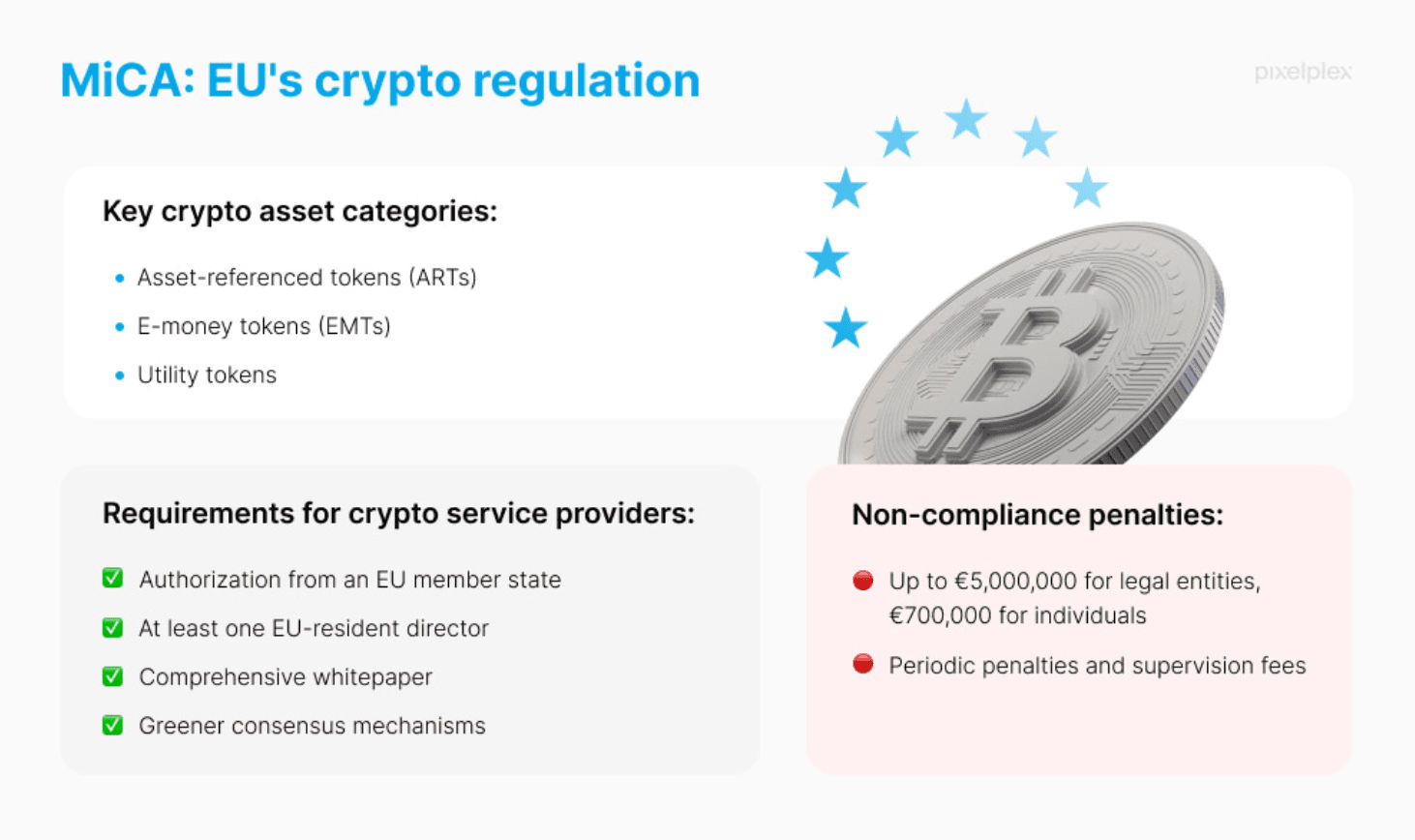
The most important driver of change is regulation. In the European Union, the DAC8 framework takes effect on January 1, 2026. Exchanges operating in the EU must collect and report detailed crypto transaction data to local tax authorities. It covers not just exchanges but also wallet providers and any company that helps users buy, sell, or transfer crypto. According to Grant Thornton, non-compliance could bring penalties of over €1 million (Grant Thornton on DAC8).
Alongside DAC8, the Markets in Crypto-Assets (MiCA) regulation sets licensing and consumer protection standards. Together, they create a unified, regulated environment for crypto in the EU.
Globally, prudential rules are also tightening. The Basel Committee’s SCO60 standards, effective in 2026, define how banks and exchanges must treat crypto exposures, especially stablecoins. They require clear audits and proof of reserves for assets backing stablecoins (BIS guidance).
The compliance burden is heavy. Smaller exchanges may not survive the cost of compliance and reporting. Larger exchanges are preparing to acquire licenses, infrastructure, and even competitors, leading to consolidation across the industry.
Stablecoins and CBDCs move into the mainstream
Stablecoins are no longer just a trader’s hedge. They are becoming high-velocity digital money. According to Citi’s Stablecoins 2030 report, stablecoin transactional volume already reached $18.4 trillion in 2024, with usage far beyond speculation. Citi projects that stablecoins could grow into a multi-trillion-dollar payment rail by 2030 (Citi Stablecoins Report).
Exchanges that want to benefit must provide audited, bank-grade transparency on their stablecoin reserves. That is the only way to partner with financial institutions and payment providers.
At the same time, central banks are pushing CBDCs to maintain sovereignty over money. The European Central Bank plans to expand digital euro trials in 2026, testing how CBDCs could be used in everyday payments and public services (ECB Digital Euro Trials). Canada is also modernizing its payments with the Real-Time Rail, which will compete with stablecoins for domestic transactions.
The global result is a two-track system: private stablecoins competing with state-backed CBDCs. Crypto exchanges that integrate both will be best placed to win new users and institutional clients.
DeFi vs centralized exchanges, and the hybrid model
For years, the debate was CEX vs DEX. In 2026, that debate is ending. The future is hybrid.
- CEX advantages: high liquidity, deep order books, fiat access, full KYC/AML.
- DEX advantages: transparency, open-source smart contracts, non-custodial control of assets.
The 2026 trend is convergence. Centralized exchanges are adopting non-custodial features like MPC custody and wallet integrations, while decentralized platforms are adding audits and optional compliance. Hybrid exchanges combine speed, liquidity, and compliance with the transparency of blockchain.
For a simple breakdown of differences, see SoluLab’s overview of CEX vs DEX models (SoluLab).
Security and transparency are non-negotiable
Trust was shaken by collapses like FTX, where billions in customer deposits were misused. According to Investopedia’s recap, FTX failed because of hidden losses, poor governance, and a lack of audits (Investopedia on FTX). That lesson defines 2026: exchanges must prove solvency, not just claim it.
Key security and transparency practices in 2026:
- Multi-Party Computation (MPC) custody to reduce insider risks.
- Proof-of-Reserves (PoR) with real-time visibility.
- Third-party audits to verify assets exist.
- Clear communication in case of incidents.
Security is not only a technical requirement. It is also a crypto trust signal. Users increasingly choose exchanges that show reserves, audits, and security features openly.
Crypto trust as the ultimate differentiator
By 2026, crypto trust matters more than fees or new token listings. Traders and institutions both prioritize:
- Proof of reserves
- Verified licenses
- Transparent audits
- Independent reviews
Exchanges that show these signals clearly will attract more users and institutional partners.
Check verified crypto exchanges on TrustFinance
What this means for traders
If you are a trader in 2026, here’s what to keep in mind:
- Licensing matters: choose exchanges that are registered and compliant with your region’s regulators.
- Look for proof-of-reserves: don’t just trust claims—look for verified audits.
- Hybrid is the future: expect exchanges to offer both traditional fiat features and non-custodial options.
- Trust reviews and ratings: independent sources and platforms like TrustFinance help you compare safely.
Conclusion
The top crypto exchange trends in 2026 show a market moving from speculation to structure. Compliance, stablecoins, CBDCs, hybrid architectures, and verifiable security are shaping the future. Users and institutions will reward exchanges that treat trust as a product and make compliance a visible feature.
Exchanges that succeed will be those that invest in compliance, transparency, and user trust—and those are the ones most likely to appear on lists of the best crypto exchanges 2026.
More on payments innovation: The Evolution of Payment Gateways: What’s Next in 2026
Written by
TrustFinance Research Team
Official TrustFinance research and editorial team, sharing insights, analysis, and best practices to help financial companies and traders build transparency, credibility, and growth.
Tags:
Best pick of the Week
Related Articles


20 Apr 2026
How LMP Can Help Your Brokerage Grow
